Innhold i denne artikkelen
You encounter algorithms hundreds of times a day — without thinking about it. Google decides what you see in your search results, Netflix what gets recommended to you, and TikTok what you scroll through. Here's what that actually means for you as a business owner.
What is an algorithm?
An algorithm is a precise, step-by-step procedure for solving a task.
Think of it like a recipe. A cake recipe tells you what ingredients you need and in what order to use them. An algorithm does the same — just for computers.
Examples you know:
- A sorting algorithm ranks products in an online shop from cheapest to most expensive.
- Google's search algorithm analyses hundreds of factors to determine which pages appear at the top.
- Spotify's recommendation algorithm suggests music based on your listening history.
The term "algorithm" comes from the Arab mathematician Al-Khwarizmi, who lived in the 9th century. His work on systematic methods of calculation inspired both the name and the concept.
How do algorithms work in practice?
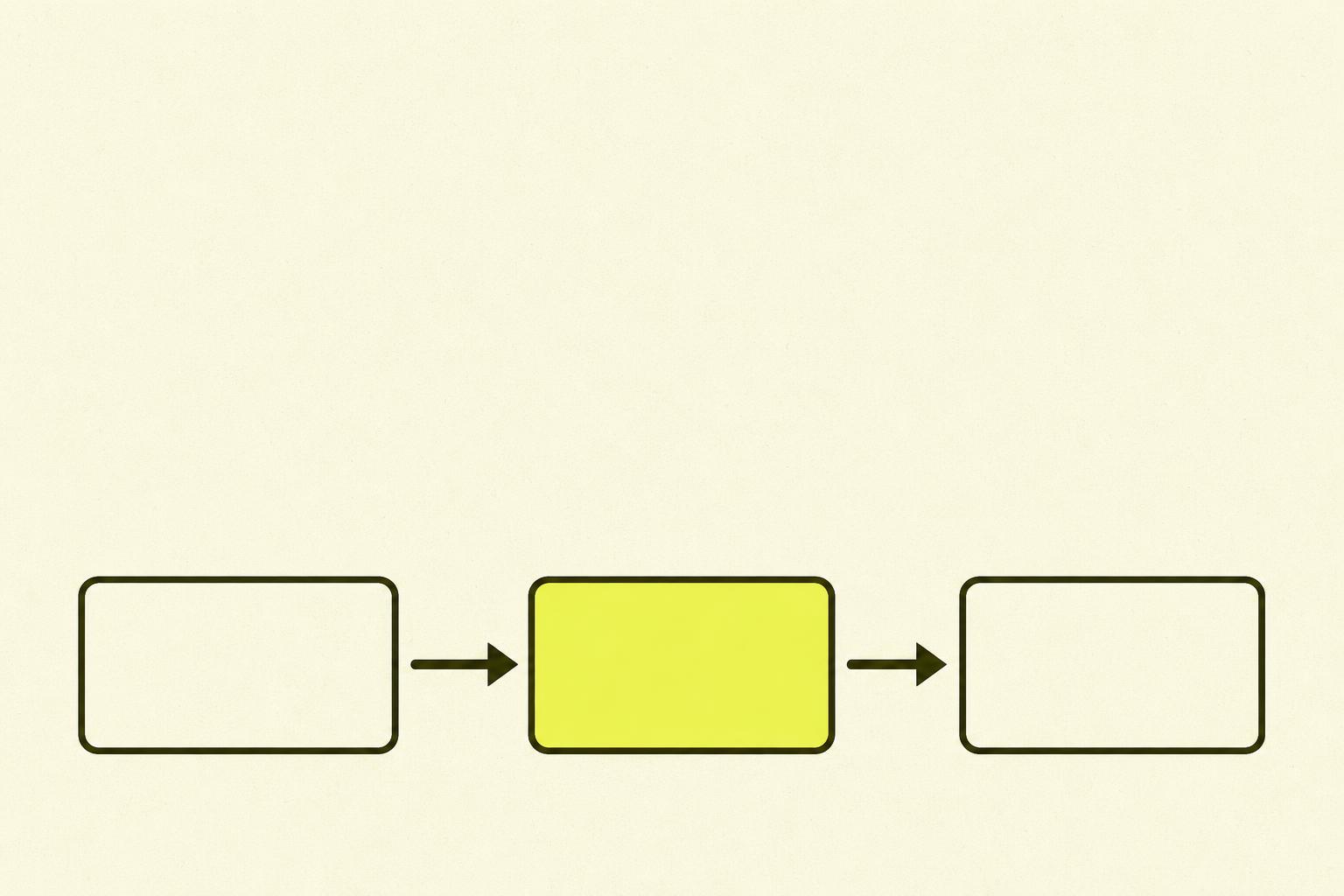
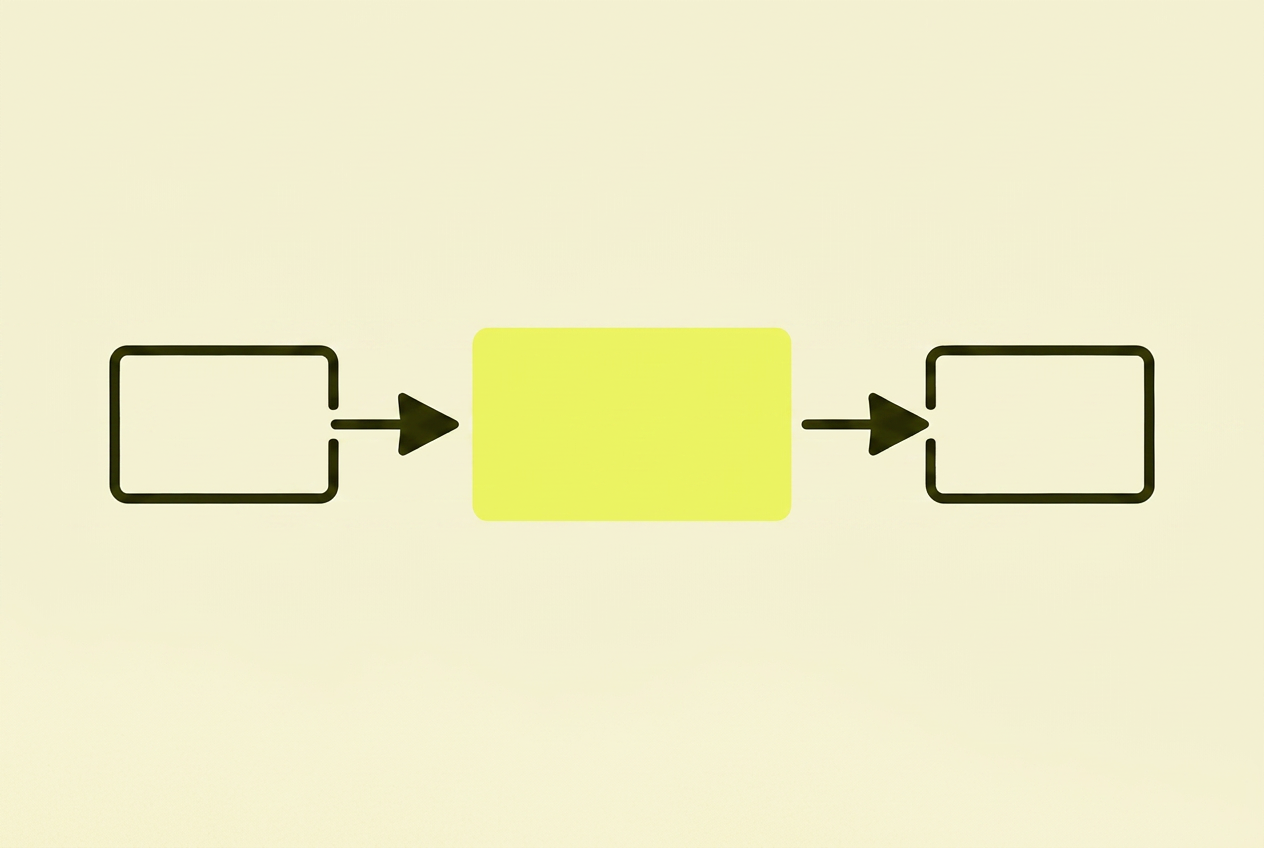
All algorithms follow the same basic principle: Input → Process → Output.
- Input: The information the algorithm receives (your Google search, your listening history, your purchase data).
- Process: The logic and calculations the algorithm performs based on the input.
- Output: The result — the search results you see, the music that's recommended, the products that are highlighted.
A concrete example: you search for "best winter tyres Oslo". Google's algorithm analyses the search (what do you actually mean?), evaluates thousands of web pages based on relevance, quality, and user experience, and delivers a ranked list — all in milliseconds.
Three types of algorithms you encounter daily:
- Sorting algorithms organise data according to given criteria — products by price, search results by relevance.
- Machine learning algorithms learn from data and improve over time. Netflix, Spotify, and ChatGPT are built on these.
- Retargeting algorithms collect data about your online behaviour to show you relevant ads.
Common Misunderstandings I See About Algorithms
As an SEO consultant, I unfortunately often see businesses approaching Google's algorithm in the wrong way.
- Thinking the algorithm can be "tricked". I still see clients who have invested in tons of low-quality links, keyword stuffing, and AI-generated content without any editorial review. Google has become very good at detecting this — and it costs them dearly.
- Treating algorithm updates like crises. Google makes an average of nine changes to its algorithm per day — over 3,000 a year. Most are minimal. Major Core Updates primarily hit sites with over-optimisation or content that has no real value.
- Believing algorithms are neutral. Algorithms reflect the priorities and the data they are trained on. Google's algorithm prioritises what Google considers quality content — and that definition changes over time.
The Google Algorithm and What You Should Know
The Google search algorithm is the most complex and consequential algorithm for most businesses with a digital presence.
The algorithm evaluates over 200 ranking factors. The most important categories are content quality (is the content genuinely useful and expert-driven?), technical health (can Google crawl and index the page effectively?), authority (links and mentions from credible sources), and user experience (speed, mobile-friendliness, and Core Web Vitals).
The Helpful Content Update — the most important shift: Google's Helpful Content Update (2022–2024) fundamentally changed how the algorithm evaluates content. Pages written primarily to rank on Google — rather than to actually help the user — now rank lower. This is not a temporary shift. It's a long-term priority.
AI and Google's algorithm in 2026: Google actively uses its own LLM technology (Gemini) in its search algorithm. AI Overviews are generated based on an algorithmic assessment of the most authoritative sources for a given query. Being cited in AI Overviews is about the same core principles as regular SEO: quality, authority, and relevance.

Your Action Plan for Working with Algorithms
| Step | What you do | Time |
|---|---|---|
| 1 | Accept that the algorithm can't be tricked — work with it, not against it | Mindset |
| 2 | Focus on content quality: genuinely answer what your target audience is asking | Ongoing |
| 3 | Keep an eye on Core Updates via the Google Search Central Blog | Monthly |
| 4 | Measure your content's impact via GSC and GA4 — let data guide your priorities | Weekly |
| 5 | Be critical of algorithm-driven recommendations in general — ask what is being prioritised | Mindset |
In Summary: My Opinion on Algorithms
Algorithms aren't mysterious. They are recipes — very advanced recipes, but recipes nonetheless. Just like with cooking, you don't need to understand the chemistry to make something great, but you do need to understand the basic principles.
For Google specifically: the algorithm rewards content that is actually useful, from a source that actually has expertise. That has always been true. It's just become more true every year.
Where to Read More About Algorithms and SEO
- Google Search Central Blog — official announcements about algorithm changes and Core Updates
- Search Engine Journal — Algorithm Updates — ongoing analysis of algorithm updates
- Ahrefs Blog — data-driven studies of what Google's algorithm actually rewards
- Store norske leksikon — Algorithm — short, precise Norwegian definition
- Wikipedia — Algorithm — thorough general introduction