
In this article
Everyone wants to rank for the big keywords. The problem is that the big keywords are also the toughest. Long-tail is the opposite: less traffic per keyword, but easier to win—and the traffic that arrives already knows what it wants.
What are long-tail keywords?
Imagine a search chain:
- "screen" — broad, unclear what the user wants
- "PC screen" — more specific
- "PC screen 27 inch usb-c" — very specific
- "best PC screen 27 inch usb-c under 4000 kroner" — long-tail with purchase intent
The last keyword probably has fewer searches than "screen", but the person searching is much closer to buying. And because fewer websites write specifically about it, it's easier to rank.
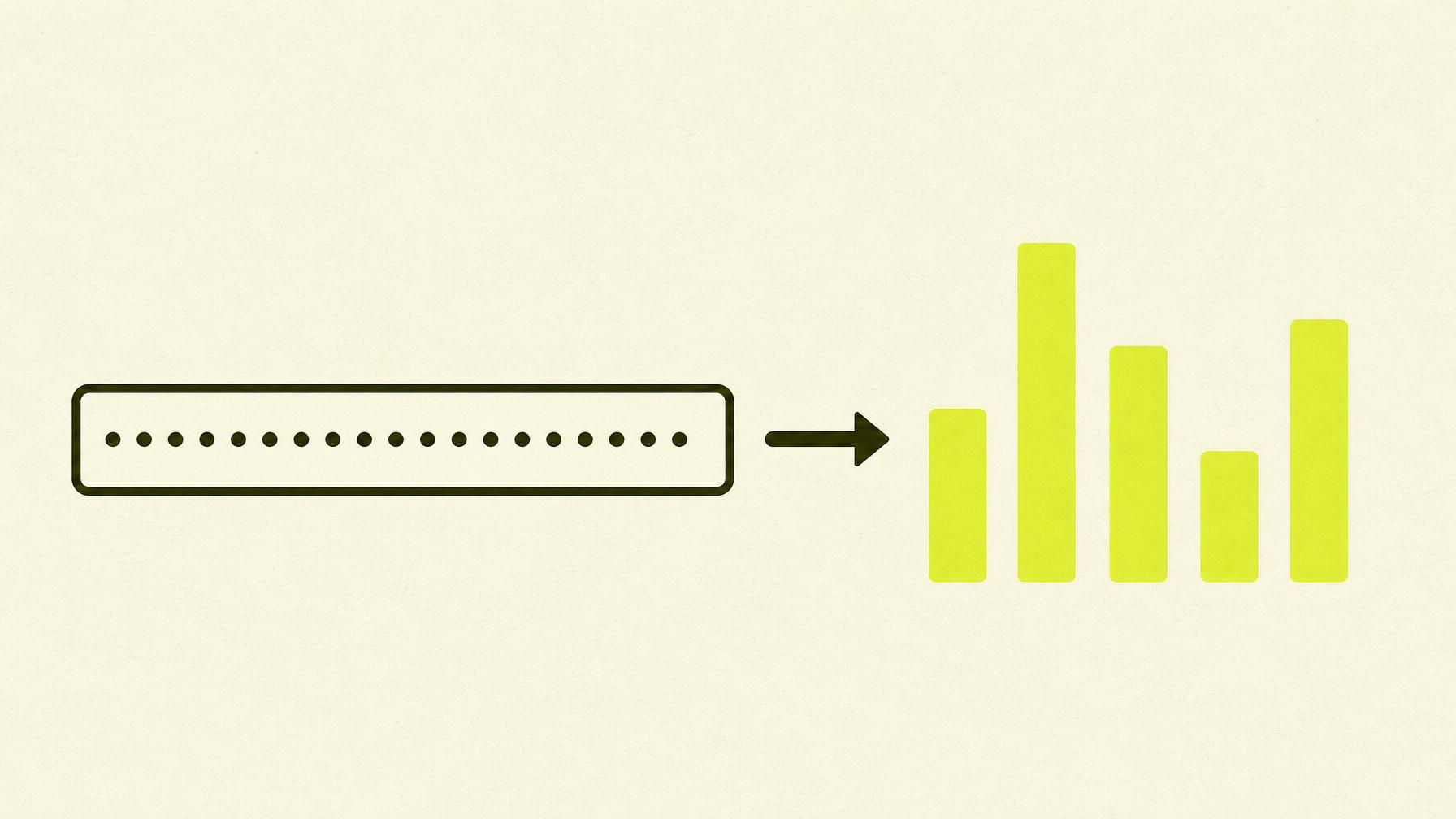
Why long-tail is gold for small websites
As a small player in Google, you have two challenges:
- You have less authority than the big websites.
- You have fewer resources to produce lots of content.
Long-tail solves both. You don't need to compete for "screen". You can conquer a handful of niche phrases that, together, give you good, relevant traffic—and build authority over time.
The advantages are:
- Lower competition: Fewer people have written anything good about it.
- Higher intent: The searcher knows what they want and is closer to taking action.
- Better conversion: The traffic matches what you actually offer.
- More measurable progress: You see quick results, which makes it easier to stay motivated.
Where to find long-tail keywords
You don't need expensive tools. Here are the sources I use first:
1. Google Search Console
Look at which keywords you're already getting impressions for, but few clicks. Often, long-tail opportunities are right under your nose. If you see "pc screen 27 inch" with many impressions but a low CTR, you can create a dedicated page or article about exactly that.
2. Google's autocomplete
Enter your root keyword into Google, but don't press Enter. Look at the suggestions that appear. They are based on actual searches. For example, "pc screen" might suggest "pc screen 27 inch", "pc screen for office", or "pc screen for photo editing".
3. "People also ask"
Below the search results, Google shows questions people ask. Each one is a potential long-tail article or a section in a larger article.
4. Related searches at the bottom
At the bottom of the search results page, you'll find "Related searches". This is a goldmine of variations you might not have thought of.
5. Google Trends
Compare two or three variations to see which keyword is growing. This helps you choose between two almost identical phrases.
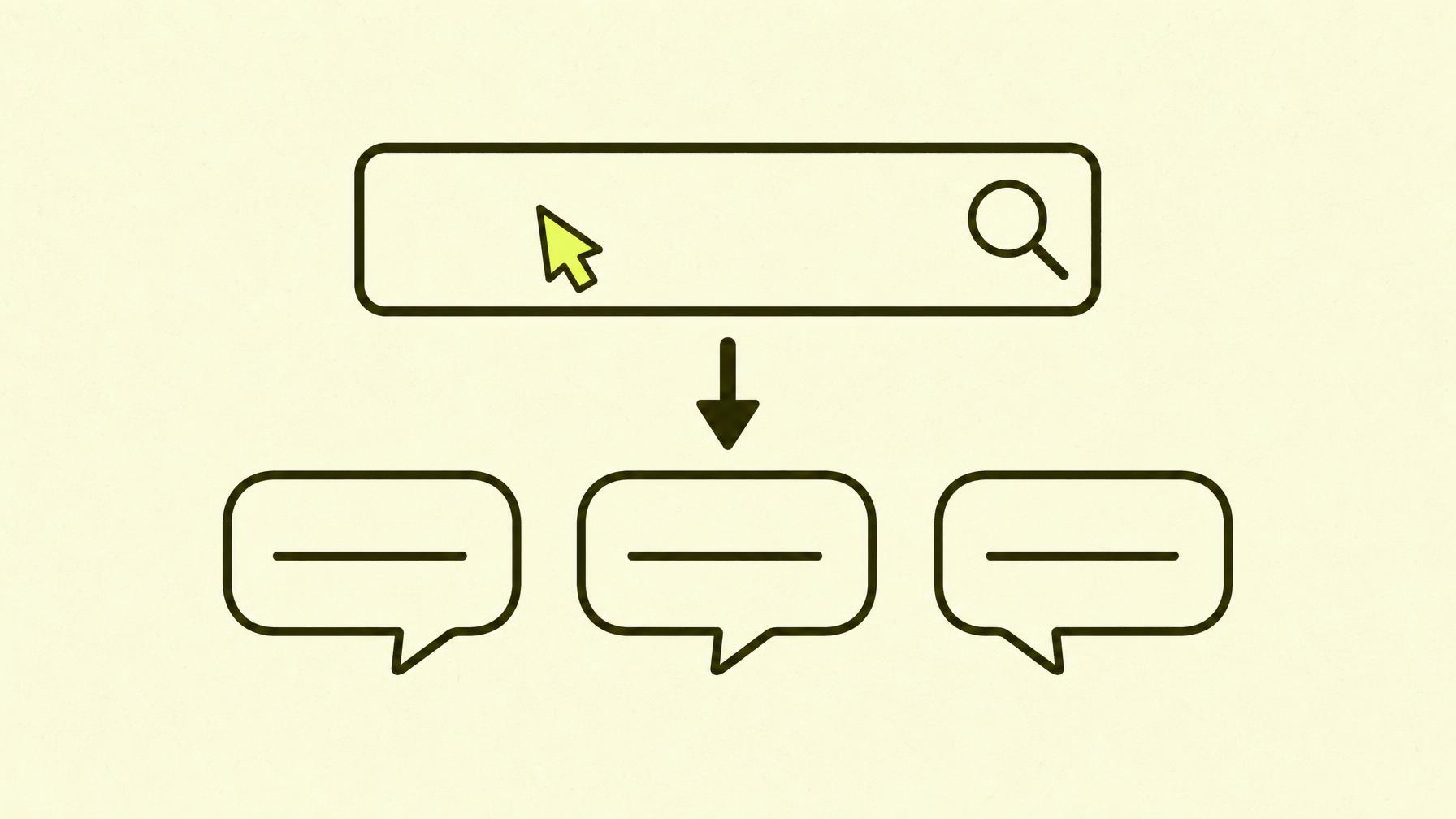
How to choose the right long-tail keywords
Not all long-tail phrases are worth targeting. I evaluate them based on three criteria:
- Relevance to you: Will someone searching for this actually buy or get in touch? "How to clean a pc screen" might get traffic, but the searcher probably just wants a cotton swab.
- Competition: What ranks today? Are they big websites, or does it look like small players can win?
- Volume vs effort: Does the phrase have enough searches to justify a whole article, or should it be part of a larger page?
If you're unsure, create a small test article first. It's better to publish something niche and see what happens than to spend weeks on a perfect guide for a keyword no one is searching for.
How to use long-tail keywords in your content
It's not enough to repeat the phrase many times. Google is smart enough to understand meaning. What matters is that you answer the question behind the keyword.
Here's how you build a good long-tail page:
- Use the keyword in the title—naturally, not artificially.
- Answer early—give a short, clear response in the first paragraph.
- Structure with headings—use H2s and H3s for natural divisions.
- Link to related pages—connect the long-tail article to a broader pillar page.
- Use synonyms and related terms—this strengthens thematic understanding.
Connecting long-tail to a larger content strategy
Long-tail works best when it's part of a cluster. A pillar article covers the broad topic. Several cluster articles delve into specific long-tail questions. They link to each other.
Example:
- Pillar: Content strategy for SEO
- Cluster: Keyword analysis, long-tail, SEO text, E-E-A-T
Each cluster article gets traffic from its niche keyword. The pillar article gathers authority and ranks for the broad term. Together, they are stronger than they are apart.