In this article
When two SEO proposals come with wildly different prices, it is easy to worry about either overpaying or buying something that will not work. At SmåSeo, most smaller advisory projects cost NOK 150,000–250,000 per year, and to compare proposals you need to know both what the advice covers and who will do the work on your website.
What are you paying for when you buy SEO?
SEO means making your website easier to find and more useful to people searching for what you offer. Paid help might involve investigating what is holding you back, making specific improvements, or working with someone who monitors progress and helps you prioritise over time. Those are different deliverables, even if every proposal calls them “SEO”.
Imagine running an online shop whose most important products are barely visible in search. You might receive a proposal for new copy, another for a technical audit, and a third for ongoing advice. All three could be relevant. But until someone has checked whether the product pages can actually be indexed and meet what customers are searching for, you do not know which help you need. The cheapest copy is a poor purchase if the problem is somewhere else entirely.
That is why I would rather start with what is stopping you than how many hours or articles you can get for your money. Pricing becomes easier to understand when there is a problem to solve and a goal that matters to the business.
How much does SEO and GEO advice cost with me?
Most smaller advisory projects at SmåSeo cost NOK 150,000–250,000 per year. This is my annual budget range for this kind of collaboration, not a claim about typical SEO prices in Norway. I invoice monthly for actual time spent and let you know before we exceed the plan. The notice period is three months.
You pay for assessment, prioritisation and professional follow-up. What should happen first? Which findings can wait? Did a change help, or do we need to investigate something else? You implement the recommendations yourself or use your existing developer, agency or team member. I do not publish in your systems.
The terms are on the SEO and GEO advice page. If you only need help with one specific problem, its scope should be assessed separately. Needing SEO help does not automatically mean you need a year-long collaboration.
Why does implementation belong in the budget?
The question I always want to settle in a plan is who will put the recommendations into practice. It sounds obvious, but this is where an apparently affordable proposal can become more expensive than you expected. The advice may be good while development, photography, copy and testing are not included in the price.
A product page might need both a clearer explanation and a fix to its template. Your subject expert needs to check the content while the developer changes the template and verifies the result. If neither has time, little will happen, however thorough the report is. I would rather you have capacity to implement three important changes than buy a list of thirty.
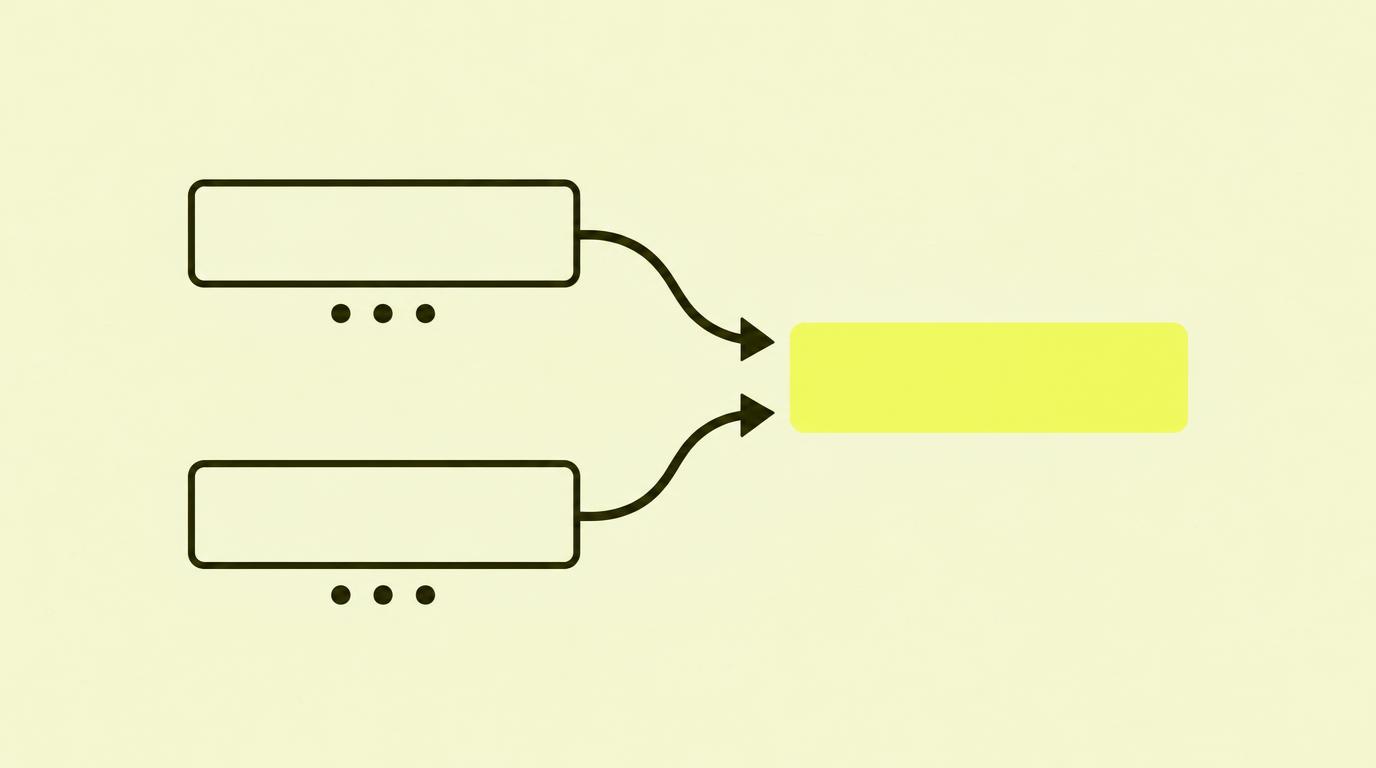
Budget for advice and implementation as separate items. Add tools and content production if they are not included. This gives you an honest picture of what it costs to act on the findings, rather than simply have them presented.
Why does one SEO project cost more than another?
A large website does not always need a large project. A hundred product pages sharing one straightforward issue can be easier to handle than ten pages spread across different templates, languages and domains. Complexity and risk matter, not just the number of URLs.
If you are changing platforms, protecting old URLs, content and search signals before, during and after launch becomes important too. A stable website with a few outdated articles needs a different approach. Competition, access to search data and your own capacity also affect what is realistic. If the goal is bigger than the budget, I would rather narrow the first step than pretend everything can be solved at once.
Is cheap SEO always a bad purchase?
No. You can do a lot yourself with Search Console and a good understanding of your customers. A small project with a clear question might also be exactly what you need. What would make me sceptical is a big promise without an explanation of what will actually be done.
A package of many articles or links tells you little about need or quality. Google recommends asking how the provider works, what is expected from you and how results are reported. Google also warns against guarantees of first place. You can agree responsibilities and deliverables, but you cannot buy a particular organic ranking.
Should you pay extra for GEO and AI visibility?
Not simply because the proposal has a new name. Technical accessibility and useful content matter to both Google and AI search. A separate GEO deliverable should explain which questions and services it examines, what will improve and how results will be assessed.
Testing AI tools can provide useful observations, but it does not guarantee citations or new customers. I would ask what you can do differently because of the report and whether relevant enquiries are followed up. If the answer is simply that you get more numbers, it is worth asking again.
What should you ask before saying yes?
Before you buy SEO
- What problem will this work solve, and what gets delivered first?
- Who will implement the recommendations, and is that cost included?
- What access and internal capacity do I need to provide?
- How are extra work and changes to the plan handled?
- Which results are tracked, and which cannot be promised?
- What are the cancellation terms, and who keeps the documentation?
You should be able to understand the proposal without being an SEO advisor yourself. Knowing what you are buying, who does what and how progress is followed up gives you a much better basis for choosing than a monthly figure alone.