In this article
Many small businesses have a name similar to someone else's, and it can be unsettling to see an AI response confuse you with another company. Entities are about exactly that: making it crystal clear to search engines and AI tools who you are, what you offer, and how you fit into the wider world.
What is an entity in SEO?
An entity is anything that can be uniquely identified and distinguished from other things. SmåSeo is a business. Anabel Hafstad is a person. Oslo is a place. SEO consulting is a service. Each has its own attributes and relationships: Anabel runs SmåSeo, SmåSeo is based in Oslo, and it offers consultancy.
When Google launched the Knowledge Graph in 2012, they described it as a shift from "strings" to "things". The search engine should no longer just read the words you typed, but understand the actual concepts you meant. That idea is even more critical today, as AI tools piece together answers from a vast range of sources.
Why do entities matter for SEO and GEO?
A keyword is what people type. An entity is what they mean. If someone searches for "Mester Bil Oslo", the search engine needs to determine whether they mean a specific garage or are just running a generic search.
For SEO, clear entities help Google match the right pages to the right searches, particularly for branded queries and local search. For GEO, it is perhaps even more fundamental. An AI tool cannot reliably recommend you if it is not entirely sure which business it is talking about.
When I review websites for smaller businesses, the issue is rarely complex. More often, the business goes by three slightly different names across its website, Google profile, and LinkedIn, or it simply never states anywhere who is behind it.
How do you make your business a clear entity?
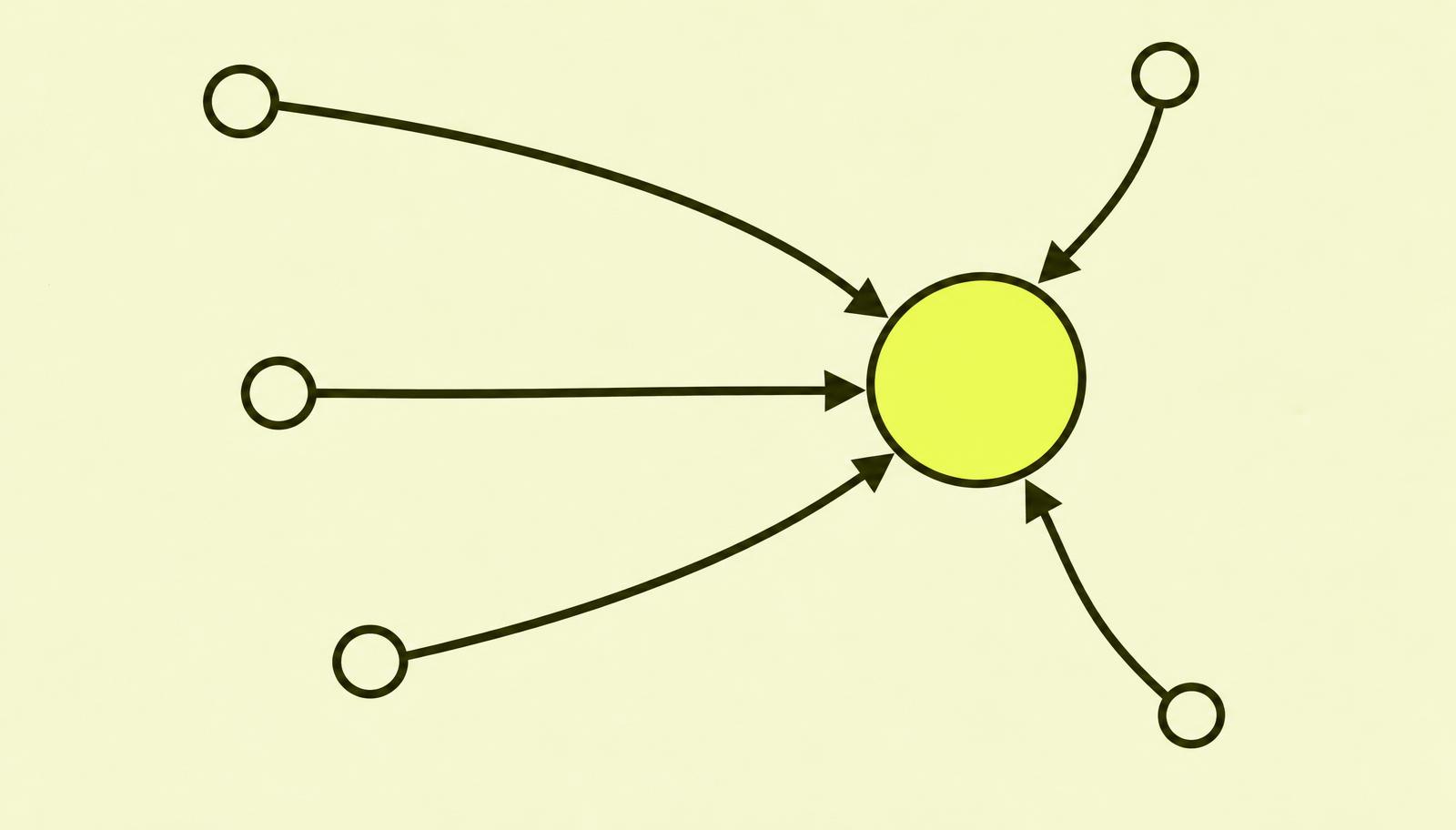
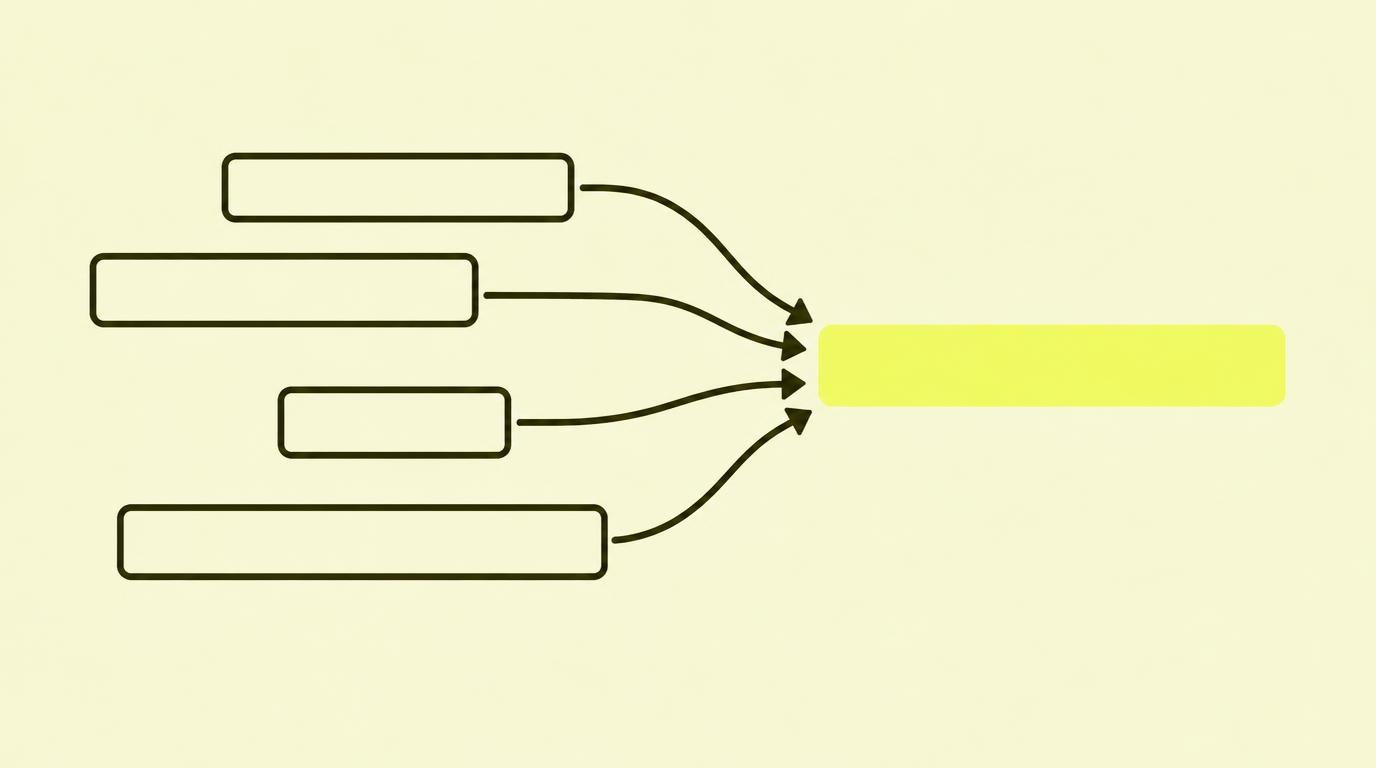
Start with the basics. Use the exact same name, address, and phone number everywhere your business is mentioned: your website, your Google Business Profile, trade directories, and social media accounts. Minor discrepancies might seem trivial, but they make the entity connection less certain.
Create a proper About page. Explain who runs the business, what you do, where you are based, and why you are qualified in your field. This helps both human readers and search engines, tying directly into what Google calls E-E-A-T.
Give each core service its own page with a clear, descriptive name. A generic "Services" page featuring one long list makes it far harder to discern what you actually specialise in than dedicated pages with straightforward explanations.
What role does structured data play?
Using structured data, you describe your entities in a format that machines can parse unambiguously. For instance, organisation schema markup can define your name, logo, address, and links to your official profiles using sameAs.
This markup serves as a clarification, not a shortcut. It must match what is clearly visible on the page. Furthermore, Google states explicitly that structured data never guarantees that rich elements will appear in search results.
What can't you control about entities?
You cannot force Google to generate a Knowledge Panel, nor can you force ChatGPT to mention you. Mentions from third parties, such as the press, industry bodies, and customers, are a major part of the puzzle, and you can only influence them indirectly by doing good work that is genuinely worth discussing.
What you can control is ensuring that the information out there is accurate, consistent, and easy to find.
Check your entities
- The same name, address, and phone number across all official profiles.
- An About page that explains who, what, where, and why.
- One clear page per core service.
- Organisation markup that matches the information visible on the page.
- Links between your website and your official profiles.
What I often see go wrong with entities
- The name is written five ways. "SmåSeo", "Smaa SEO" and "Små Seo AS" look like three different businesses to a machine.
- The About page says nothing concrete. Who, what, where and since when are missing, and that is exactly what search engines and AI models look for.
- Structured data promises more than the page shows. Schema that does not match visible content does not help and may be ignored.
- Profiles elsewhere are forgotten. An old address in the Google Business Profile or on LinkedIn creates conflicting signals.
In short: My advice on entities in SEO and GEO
Entities sound technical, but they are really about being consistent. I think this becomes more important the more AI search answers directly, because the model needs to know who you are before it mentions you.
Spend half an hour this week: search for your business, note where name, address and description differ, and fix the most important first.