In this article
When I ask an AI for a content brief without giving it any context, I almost always get the exact same material everyone else has already published. A brief that bridges the SERP gap builds on what is currently missing from the search results, infused with your own voice and experience.
What is a content brief with AI?
A content brief is the blueprint a writer works from: target audience, search intent, core questions, structure, sources, and what the article is meant to achieve. With AI, you can assemble that brief much faster, but only if you supply the right raw materials. Without them, the brief simply averages out whatever already exists.
That average is precisely what you need to avoid. Google asks for content that offers something original, and I have covered this in depth in the article on Information Gain.
How do you find the SERP gap using AI?
I follow four steps every time I create a brief. The AI handles the side-by-side comparison, while I make the editorial calls.
1. Inspect the search results yourself
Search for your primary keyword and note which types of pages are ranking: guides, product pages, listicles, or forums. This shows you the search intent Google is interpreting. Never outsource this judgement call to AI.
2. Let AI compare the content
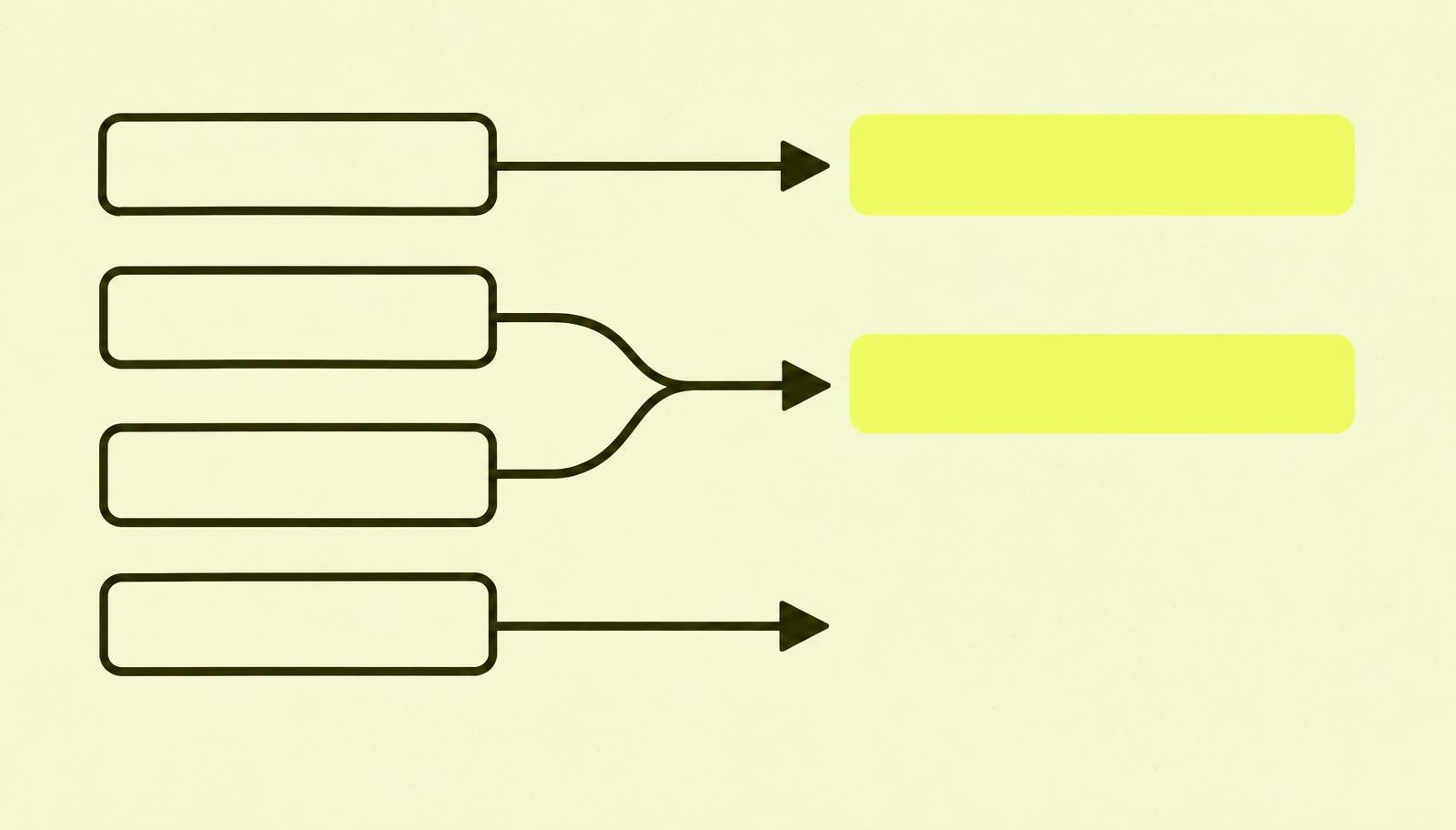
Paste the content or headings from the top five or six ranking pages and ask the AI to map out which questions each page answers in a table. Ask it to highlight questions that only one page covers, or that none of them address at all.
3. Pull your own data from Search Console
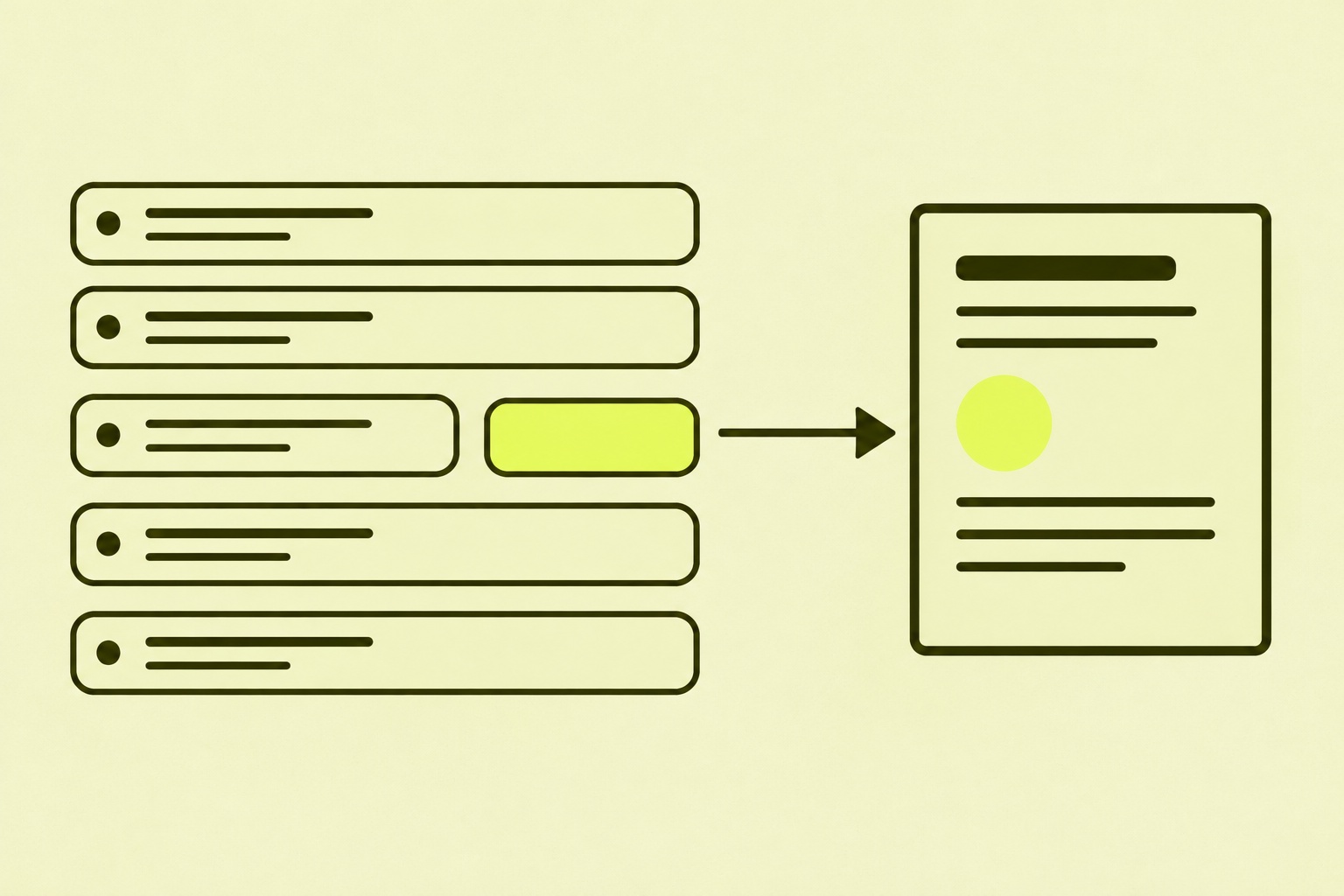
If you already have a page covering the topic, Search Console shows which queries are generating impressions. Queries with high impressions but low click-through rates often point to questions your page fails to answer properly. Feed this query list to the AI alongside the competitor comparison.
4. Decide what is genuinely new
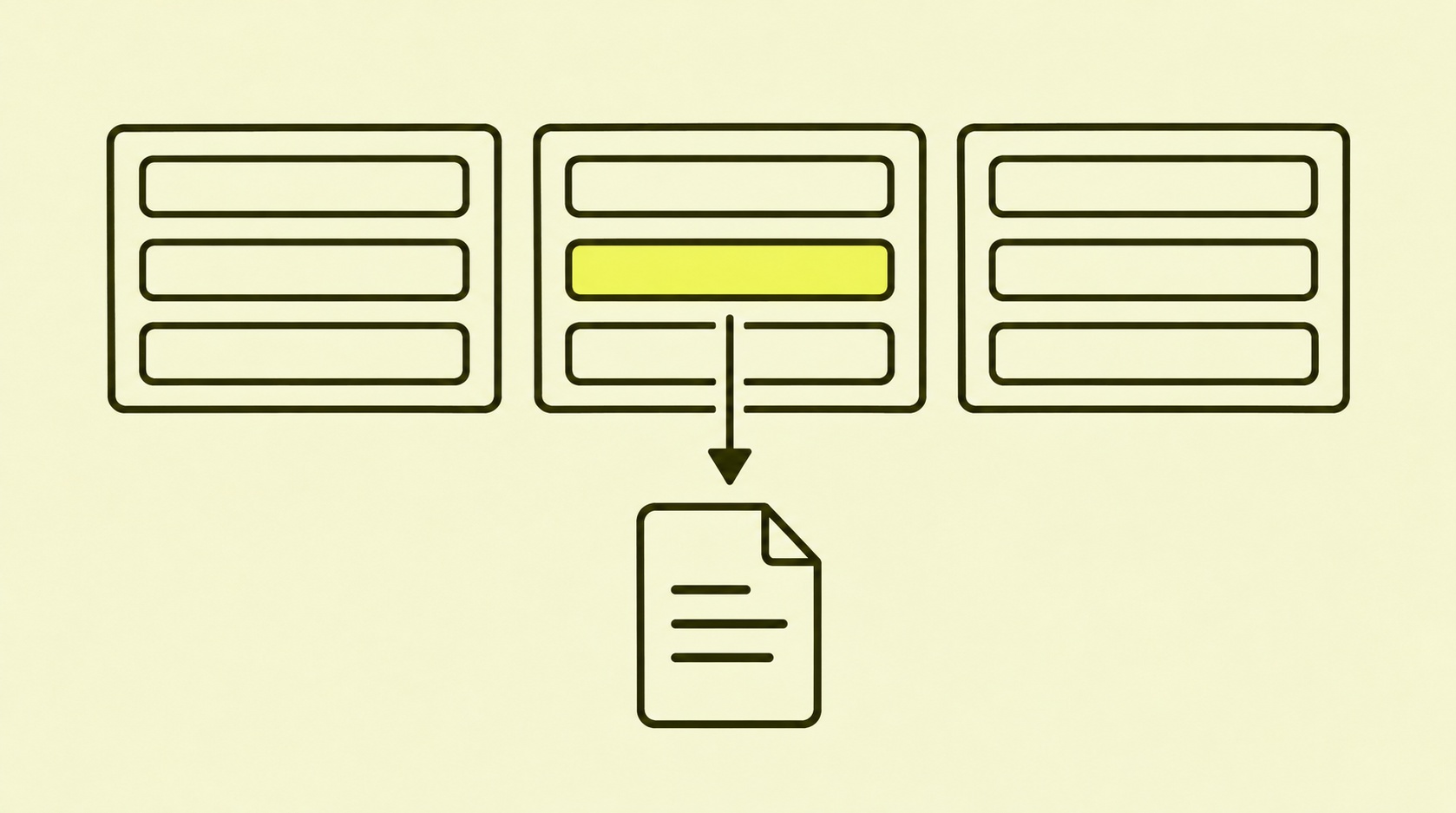
Finally, decide what your page brings to the table: a first-hand case study, a practical checklist, proprietary data, or a clear-cut recommendation. This is the crucial point that makes the brief worth writing.
How do you teach the AI your tone of voice?
This is where most briefs fall apart. By default, AI defaults to a neutral, polite tone that sounds identical for everyone. That is why I calibrate its voice before asking it to produce anything.
Give it real samples. Paste in two or three paragraphs you wrote yourself that you are genuinely happy with. Ask the AI to analyse their defining characteristics before it drafts anything new.
Write down your voice rules. For me, that means writing directly to "you", using a first-person perspective, keeping sentences concise, and offering concrete trade-offs instead of vague advice. Your rules might differ, but they must be concrete.
Build a banned phrase list. I always instruct the AI to steer clear of clichés like "dive into", "groundbreaking", "the importance of", and "in this article, we will explore". The list grows longer with every brief, and that is a healthy sign.
Include a voice guide inside the brief itself. That ensures the intended tone carries over to whoever writes the piece, whether that is you, a colleague, or an AI tool. If you need a starting prompt to build from, have a look at my AI prompts for SEO.
What should an AI content brief include?
A solid brief that is ready to hand over should always feature these elements:
- Primary keyword, search intent, and target audience
- The core question the article must answer in the opening paragraph
- The SERP gap: what is missing today and what fresh value we are adding
- Proposed heading structure using H2s
- Sources and proprietary data to include
- A tone of voice guide featuring samples and banned phrases
- Internal links and the logical next step for the reader
Common pitfalls with AI content briefs
- The brief merely mirrors the competition. Headings from the top five results get merged together, leaving zero original value.
- Search intent is guessed. The AI assumes what the searcher wants without anyone actually reviewing the real results page.
- The tone is generic. Without concrete writing samples and clear guidelines, the copy sounds like every other AI-generated piece on the web.
- Real experience is missing. The brief never specifies where the author's own examples should go, so they never get written.
In summary: My advice for AI content briefs
Use AI for the heavy lifting: the comparisons and the structural groundwork. Spend the time you save on what actually makes the article yours: the gap you uncovered and your personal voice. A brief backed by a solid voice guide is worth far more than ten briefs stuffed with generic headings.
If you want a dependable brief template and tone guide for your team, see how I approach an AI SEO workflow.