In this article
It can be hard to delete an article you once spent a full working day writing, especially when AI is filling the web with more texts saying exactly the same thing. Content pruning means improving what is still needed, merging what covers the same intent, and removing what no longer serves a useful function.
What is content pruning?
Content pruning is a systematic review of the content you have already published. You assess each page by what it helps the reader do, the quality of its answer, and its value to the business. Then you decide whether to keep it, improve it, merge it with another page, or remove it.
The gardening metaphor can make deletion sound like the whole job, but it is only one of several options. Pruning is not about ending up with the fewest possible pages; it is about making the right pages worth finding. That applies to AI-produced content too: you assess usefulness and originality, not who or what wrote the first draft.
Why is pruning so relevant right now?
When AI tools became accessible to everyone, the cost of an acceptable article dropped close to zero. Many jumped at the opportunity to publish non-stop: one article per keyword, often rewriting the exact same advice everyone else gives.
You see the result in your search results every day. Ten answers saying the same thing, with none of them adding anything new. Google responds by rewarding content with demonstrable value, and AI services have to pick sources from hundreds of identical pages.
This means two things for you. First: if you have filled your site with AI-produced content over the past few years, it is time to evaluate what actually deserves to stay. Second: your competitors are struggling with the exact same issue. A tidy website with distinctive content stands out faster than before.
However, deletion alone does not make a website better. The point is to assess whether each page offers information that does not already exist in a hundred other places, before choosing whether to update, merge, noindex, or remove it.
What should you check before pruning?
Start with an overview of your URLs, not the delete button. For each page, you need a clear picture of both its visibility and its function:
- Clicks, impressions, and search queries in Search Console.
- Visits and key actions in your analytics tool.
- External backlinks and internal links.
- How fresh, accurate, and distinctive the content is.
- Who the page helps, including visitors outside of search.
It is well worth looking at the past 12 to 16 months in Search Console whenever data history allows. A Christmas guide can look completely worthless in June. A niche troubleshooting guide might receive very few visits, yet save customer service from fielding repetitive questions.
In my advisory work, these are precisely the functions I want to clarify before recommending deletion: what does the customer or reader lose if this page disappears? A low traffic number does not answer that question.
When should you improve a page?
Improve it when the underlying need remains, but the content has fallen behind.
Typical signs include outdated product information, missing answers, weak examples, or an introduction that takes several paragraphs to get to the point. Impressions with very few clicks can also give reason to inspect the page title, search intent, and competition.
As a rule, keep the existing URL when the topic remains the same. Correct errors, update documentation, and add insights you actually have from direct experience. Make the main answer clear, and separate facts, recommendations, and uncertainties.
Do not just swap years and publication dates simply to look fresh. Google explicitly warns against adding or removing content primarily to make the site appear newer.
When should you merge pages?
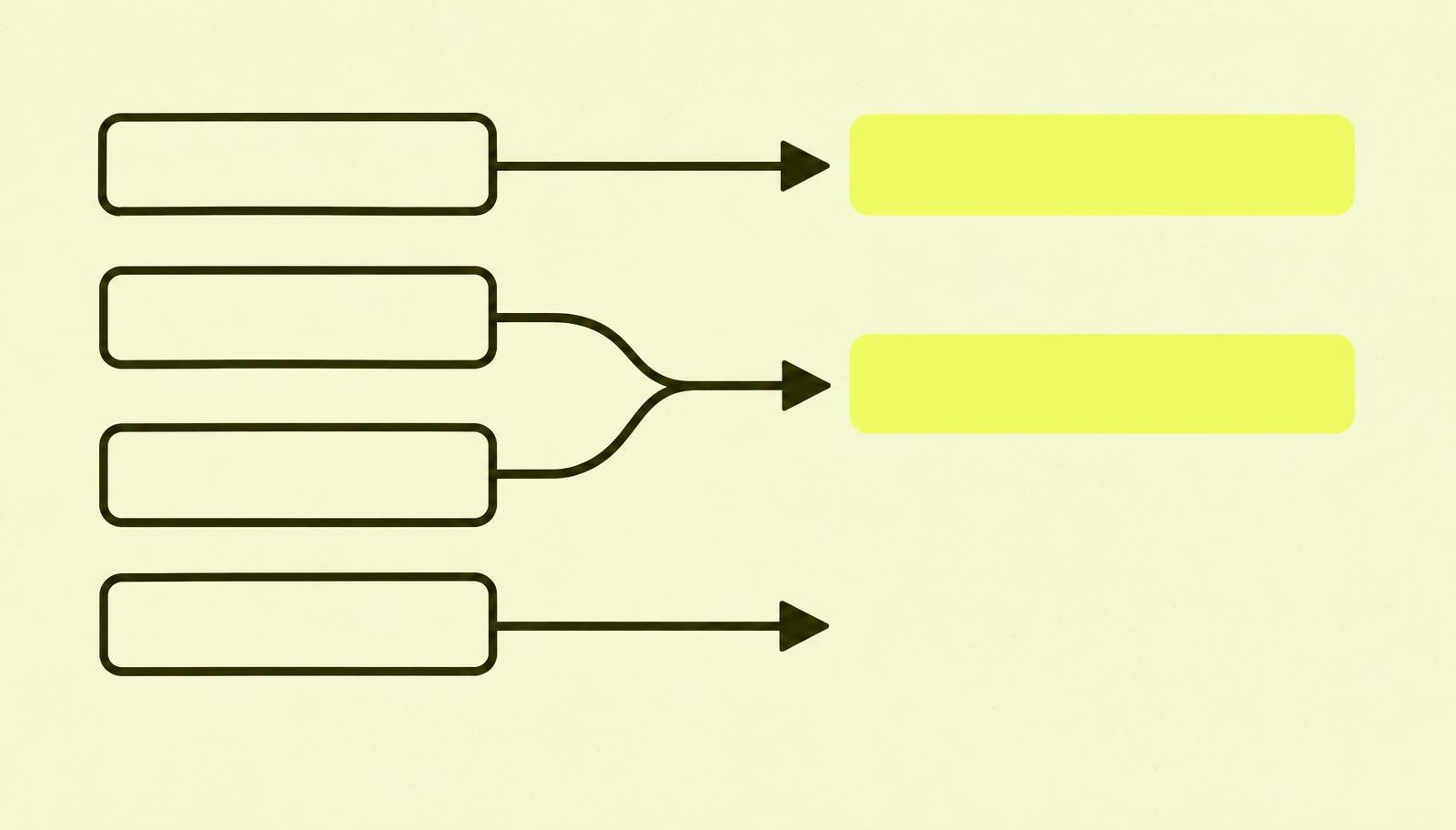
Merge pages when several URLs attempt to solve the same problem without each offering clear individual value.
Imagine three short articles on how to choose accounting software. If they all repeat the same tips, one thoroughly researched comparison might be far better. However, a pricing overview and a technical integration guide can serve distinctly different needs, even though both relate to accounting software.
Look at the questions the pages answer and the queries for which they receive impressions. The fact that two pages appear for the same search phrase is not, on its own, proof of harmful competition.
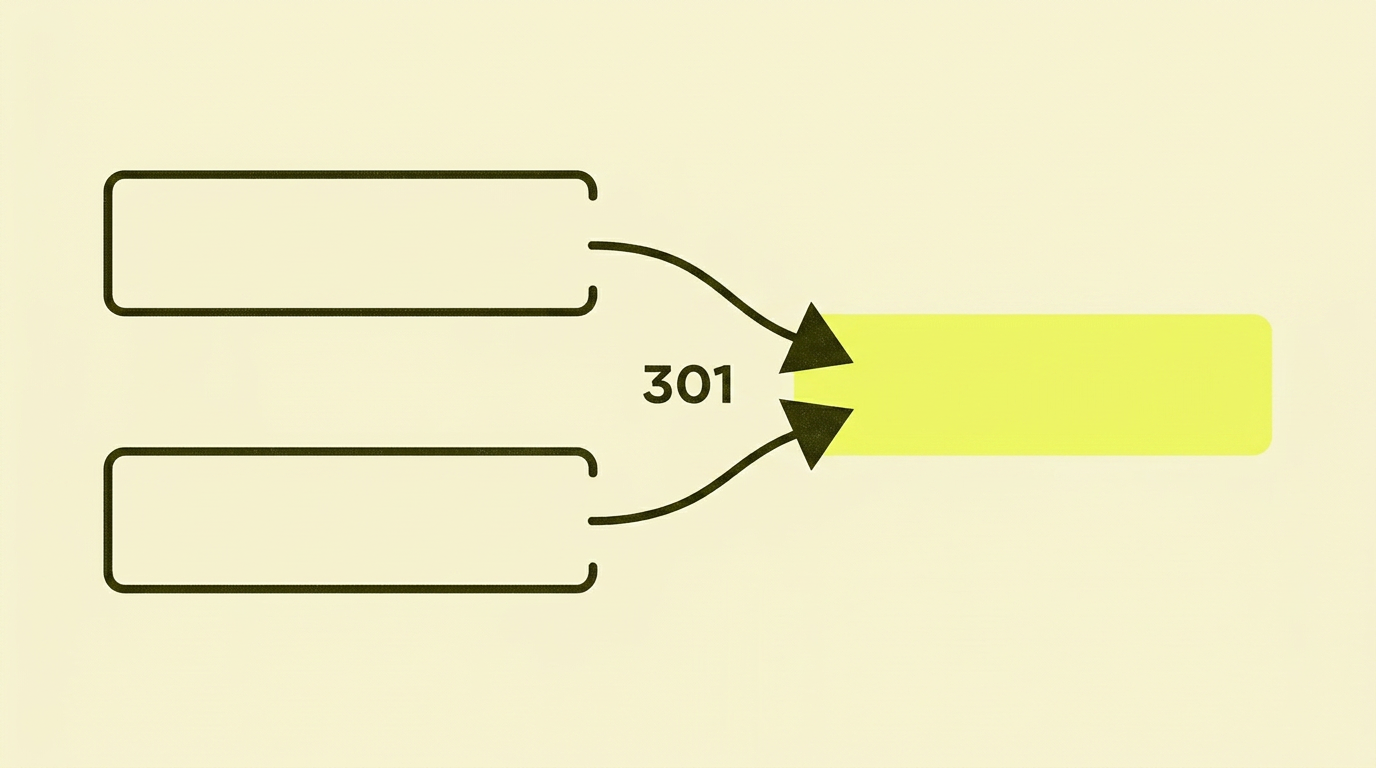
Select a primary page based on relevance, quality, history, and links. Move over the valuable material, cut duplicates, and permanently redirect the old URLs to the relevant primary page. Be sure to update internal links and your sitemap as well.
When should you remove content?
Removal is appropriate when the content no longer helps anyone, and neither improving nor merging makes sense.
This could be an expired campaign with no historical value, an inaccurate guide, or a thin page that merely repeats what is said elsewhere. Being old is not inherently bad. An older, precise technical note might still be the best resource you have.
If you have a relevant replacement, use a 301 redirect. If you have none, let the removed URL return a 404 or 410 status code. Do not redirect everything to the homepage. That rarely helps a reader who was looking for something specific.
Before you remove a page
- Checked impressions and clicks over the last 12 to 16 months, not just the past month.
- Examined external and internal links pointing to the page.
- Assessed seasonality: could the page prove valuable later in the year?
- Clarified whether the page helps existing customers or customer support.
- Found a relevant replacement, or concluded that a 404 or 410 is appropriate.
Noindex is better suited when the page is still needed by users, but should not appear as a search result. It is not a universal cure-all for thin content.
How does pruning affect Google and AI search?
For Google, the goal remains helpful, reliable content. In its guidance from May 2025, Google highlights original value for AI Overviews and AI Mode as well. There is no special pruning formula that automatically secures a spot in AI answers.
To appear as a supporting link in Google's AI features, the page must be indexed and eligible to show snippets. If you delete or noindex it, you also remove a potential source.
Other AI services have their own methods for retrieving and selecting content. You cannot assume they will respond identically, or that old content will vanish immediately from every system.
My practical priority is therefore to protect what is distinctive: personal experience, clear explanations, and well-documented details. Do not dilute a useful niche page into something generic just to consolidate everything onto a single URL.
No one rewards you for having the fewest pages. They reward you for having the best answers.
What makes content distinctive is covered in part 6 on information gain.
How do you know if pruning helped?
Keep a record of your baseline, the date, and the rationale for each change. Start with a defined group of pages so you can actually understand what happened.
After merging, evaluate the old and new URLs collectively. A redirected page losing clicks is entirely expected. The real question is whether overall relevant traffic, enquiries, and the user experience develop positively as a whole.
Track performance over several weeks and, if needed, months. Seasonality, competitors, and core search updates can all influence the numbers simultaneously.
Use part 5 on tracking AI traffic in GA4 to support your visitor measurements.
The most effective clean-up is not necessarily the one that deletes the most. It is the one that makes a good answer easier to find.