In this article
When I evaluate a new AI connection, the most important starting point is not what it can do, but what data it can access. MCP can be used safely in SEO work when you know the data flow, restrict permissions, and carry out a concrete privacy assessment for your specific setup.
What does MCP have to do with GDPR and SEO?
MCP makes it easier for an AI application to fetch data and use tools. If the protocol is new to you, start with what MCP for SEO is. That same capability can also make it easier to send customer information or personal data to more services than you originally accounted for.
In SEO work, sources can include Search Console, GA4, CRMs, email, e-commerce platforms, or internal reports. Some contain aggregated traffic figures, whilst others might include names, contact details, purchases, or identifiable URL parameters. A URL or a search query can also reveal more than you might expect in a given context.
GDPR is not concerned with whether the tool happens to be called MCP. You need to assess purpose, legal basis, roles, data minimisation, security, storage, and any cross-border transfers. For a clean setup analysing solely publicly available pages, the assessment will be very different from handling customer data from an online store.
What data passes through an MCP connection?
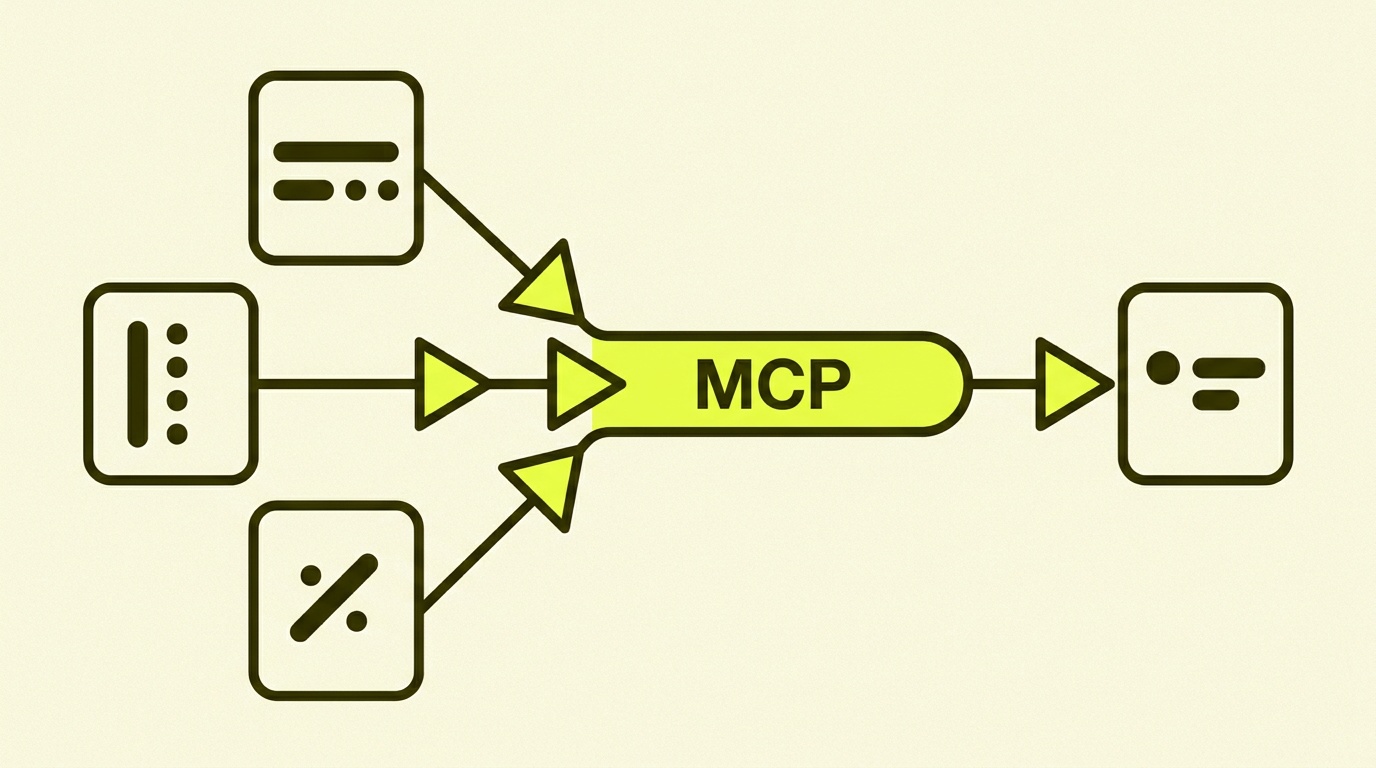
A simple prompt can involve multiple steps. You write an instruction in the AI service. The AI asks the MCP server for data. The server contacts, say, Google, receives a response, and returns it to the chat interface. Logs or caches may exist at several of these stages.

Compile a brief data flow inventory before connecting anything:
- which fields and properties can be retrieved
- which vendors receive or store them
- how long conversations, tool responses, and logs are retained
- whether data is used for other purposes or model training
- which countries and sub-processors are involved
- how you delete data and revoke access
Just because an answer only displays on your screen does not mean it only exists there. Require vendors to give concrete answers regarding how both content and metadata are handled.
How do you assess GDPR before adopting MCP?
Start by defining your purpose narrowly. "Improving SEO" is far too vague to guide a proper assessment. "Generating a weekly, aggregated traffic report from one Search Console property" specifies what data is genuinely required.
Next, clarify whether personal data is necessary at all. Can you work with aggregated figures, strip URL parameters, or select a property that contains no sensitive information? Data minimisation is much easier before the integration is built than after every field is accessible inside the chat.
If personal data is processed, you must evaluate the legal basis and determine who acts as data controller and data processor. When a vendor processes data on your behalf, a Data Processing Agreement (DPA) may be required. Bear in mind that the MCP provider, the AI vendor, and other cloud services may hold different roles.
For transfers outside the EEA, high-risk processing, or sensitive categories of data, you will need a more thorough legal and technical review. Do not let a marketing department or SEO team decide this in isolation if your organisation has a Data Protection Officer or legal counsel.
How do you secure MCP for SEO in practice?
Privacy and technical security must work hand in hand. An agreement is of little help if an old integration still retains broad permissions long after a project has wrapped up.
Use separate identities and least privilege
Create a dedicated user or service account wherever supported. Grant access only to the necessary properties and choose read-only scopes for analysis. The MCP and Search Console guide shows what such a read-only setup looks like in practice. Avoid shared administrator keys, and ensure you have a process for key rotation and revocation.
Restrict tools and data
Only enable the tools your workflow actually needs. Most of the four MCP workflows for SEO work fine with read-only access. A server capable of reading, creating, and deleting should not automatically have access to all those functions. Write actions ought to require explicit human approval and distinct checks.
Guard against prompt injections in retrieved content
Web pages, documents, and tool responses can contain text designed to trick the AI into retrieving other data or executing unintended actions. Treat such content as raw data, not instructions. Do not let text on a public website trigger access to your CRM or publishing pipeline. Which AI bots may read your site in the first place is a separate decision, see the guide to blocking AI bots.
Log and monitor
You should be able to see who connected, which tools were used, and what data was retrieved. At the same time, logs must not collect more personal data than necessary. Test what happens when access is revoked, too.
Before putting an MCP connection into production
- The purpose and required data are documented.
- Vendors, roles, agreements, and transfers have been assessed.
- Only necessary properties and read permissions are enabled.
- Keys are not stored in prompts, documents, or shared spreadsheets.
- Write actions are disabled or require separate approval.
- Logging, deletion, revocation, and an accountable owner are defined.
What questions should you ask your MCP provider?
Ask for specific answers, not just a boilerplate statement that the service is "GDPR-compliant". Ask where tool responses and prompts are stored, which sub-processors are used, how access is isolated between customers, and how you can get data deleted.
Ask for a complete breakdown of tools and permissions before authenticating as well. If the provider cannot explain what the server does with its Google access, that is a poor starting point for a client integration.
What I often see go wrong with MCP and GDPR
- Treating the protocol itself as a security guarantee. The technical standard says nothing about whether a provider's storage, agreements, or access controls are fit for purpose.
- Only evaluating the AI vendor. The MCP server, the API, the logging service, and sub-processors often get overlooked in the data flow.
- Granting read and write access simultaneously. A simple analytical task ends up carrying far broader risks than necessary.
- Access outliving the need. Forgotten users and API keys remain active long after testing ends or client engagements conclude.
In short: My advice on MCP and GDPR
Start with public or aggregated data, a single scoped source, and read-only permissions. Document the entire data flow before considering expanding to customer data or automated actions.
MCP can be a valuable technical building block, but safe operation depends on the choices you make around it. If you cannot explain where the data goes and how access is shut down, the setup is not ready for customer data. If you want help building a safe, scoped solution, see how I work with AI workflows for SEO.